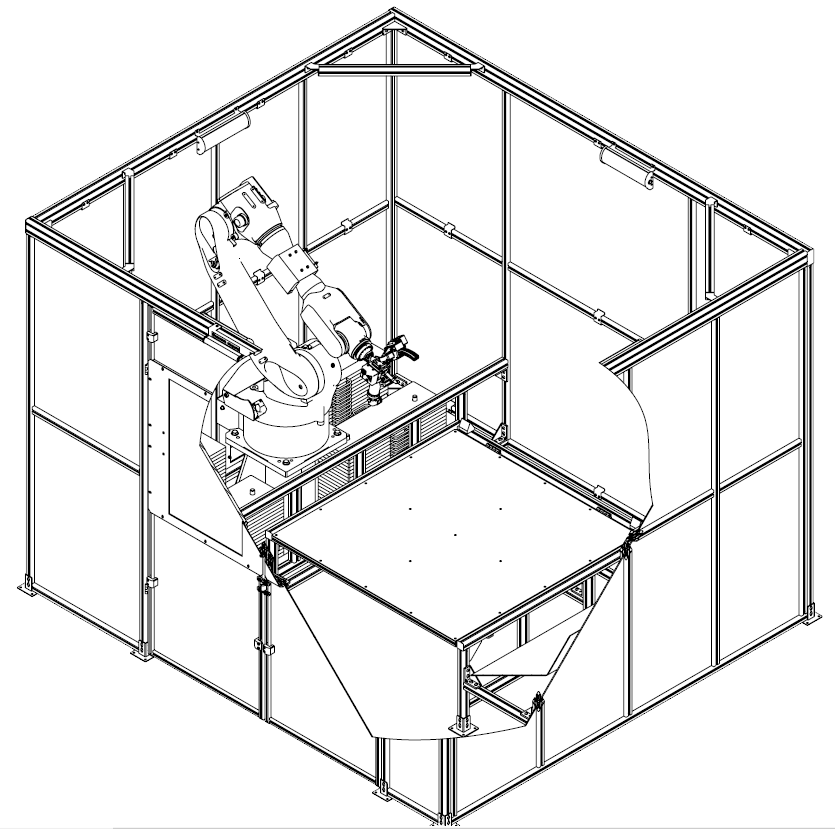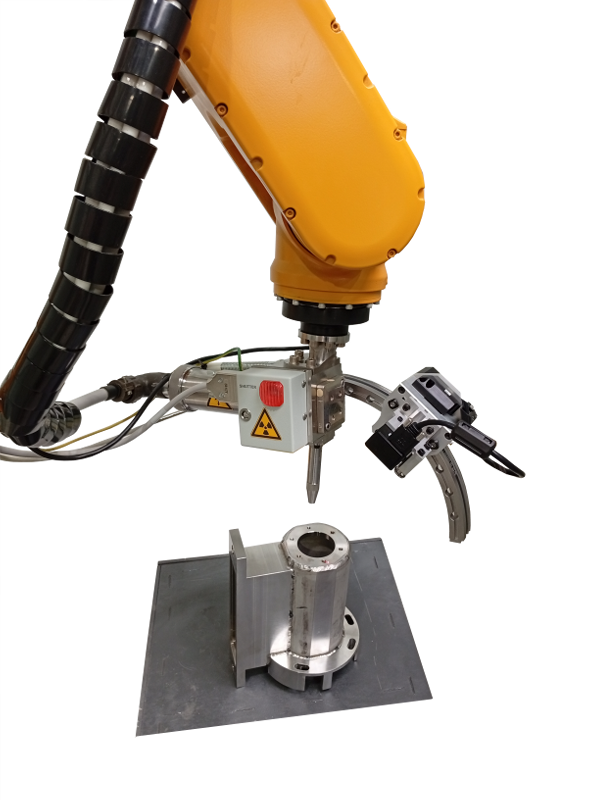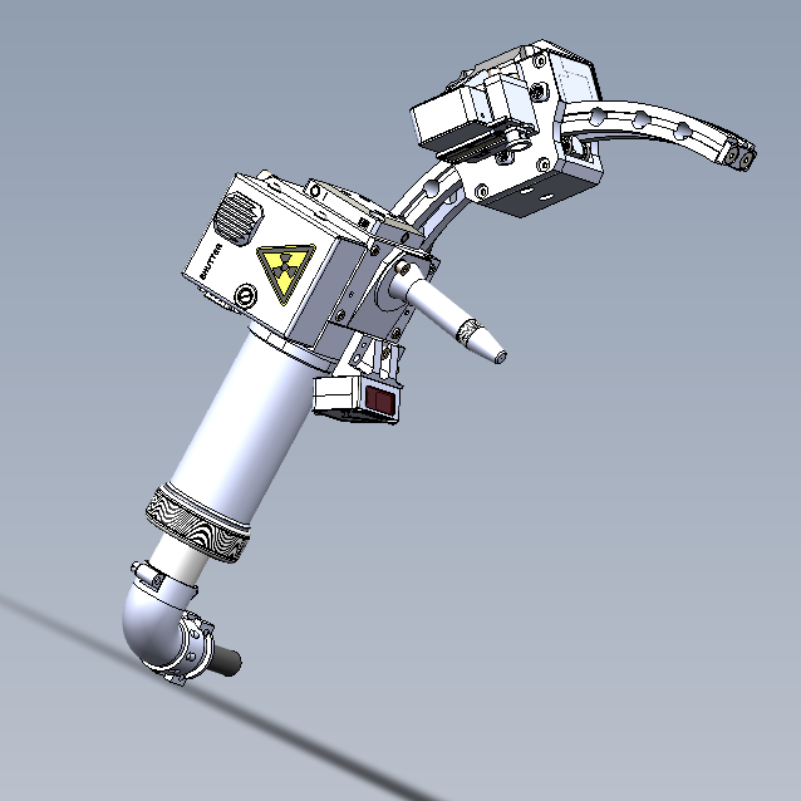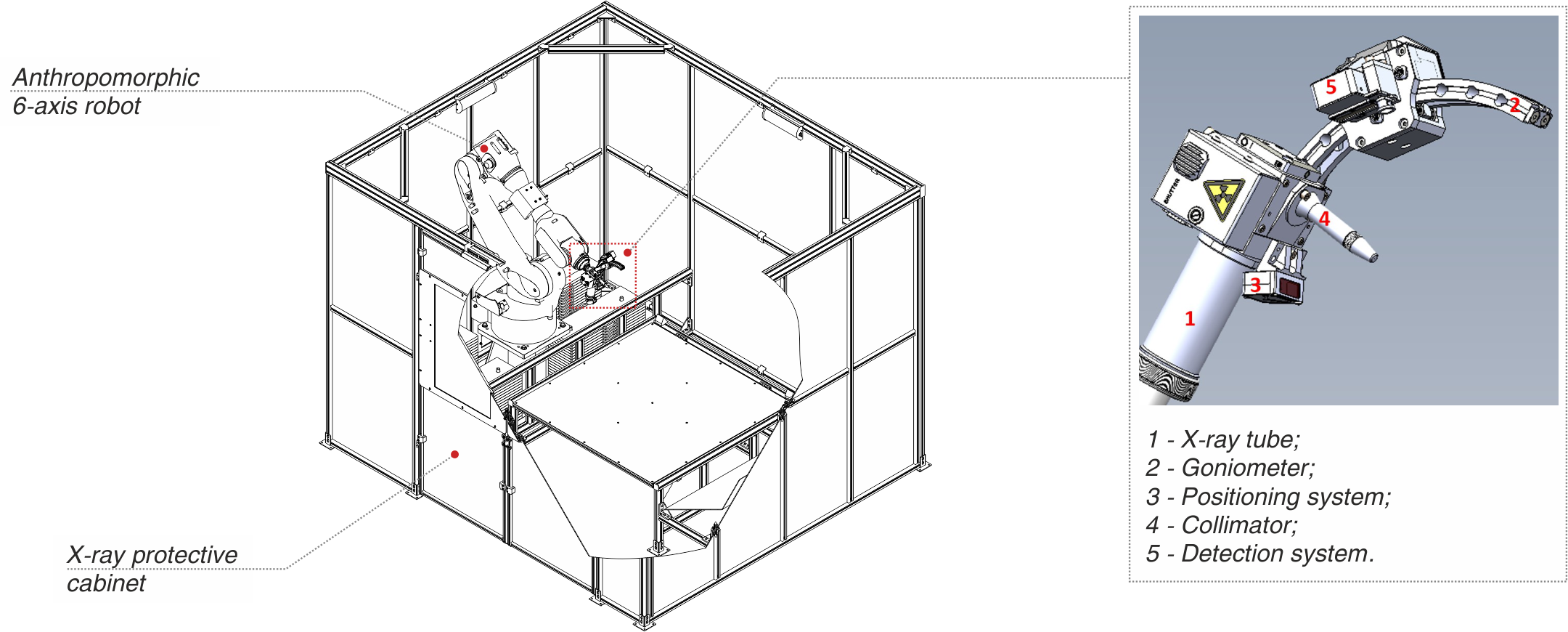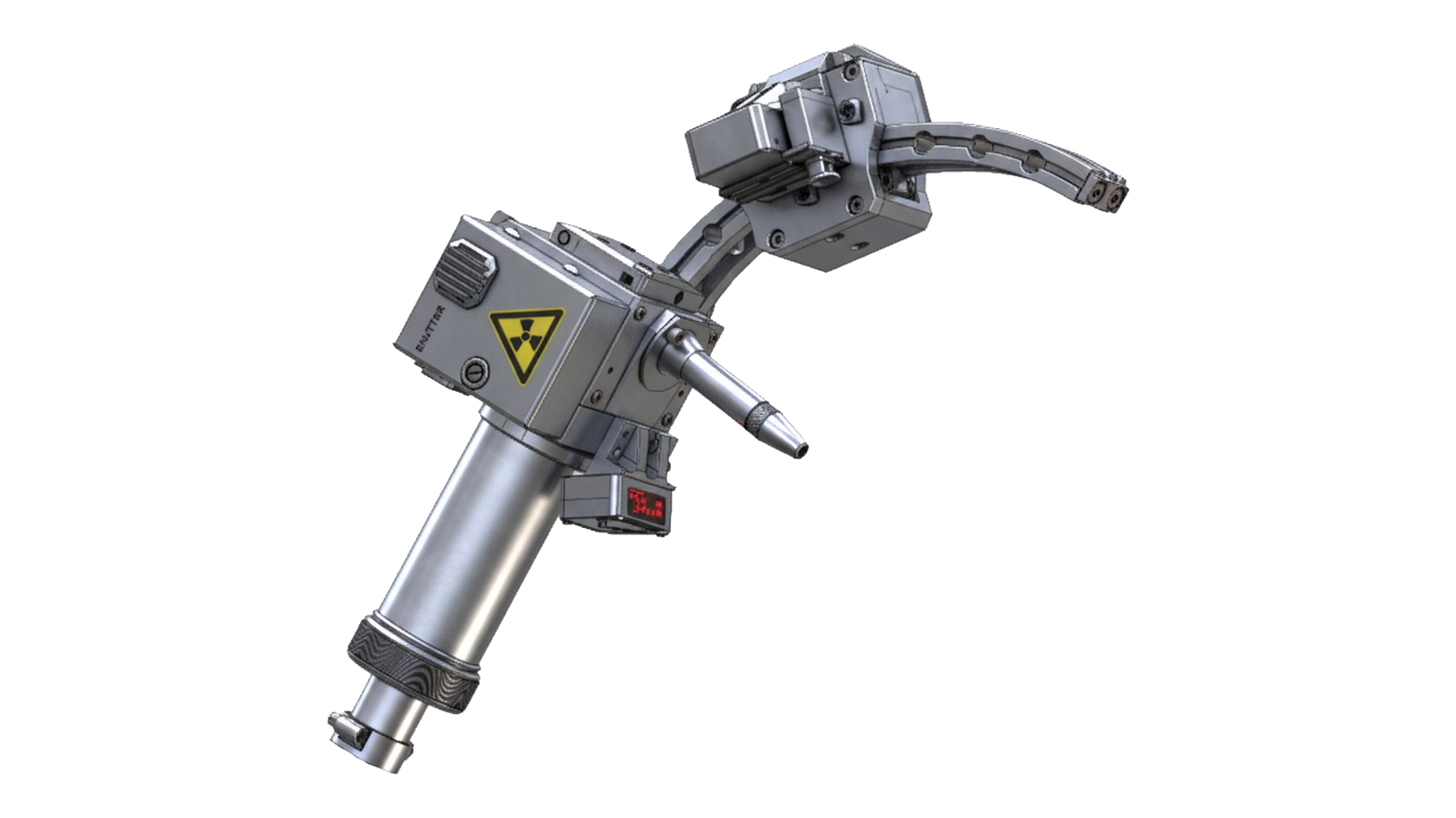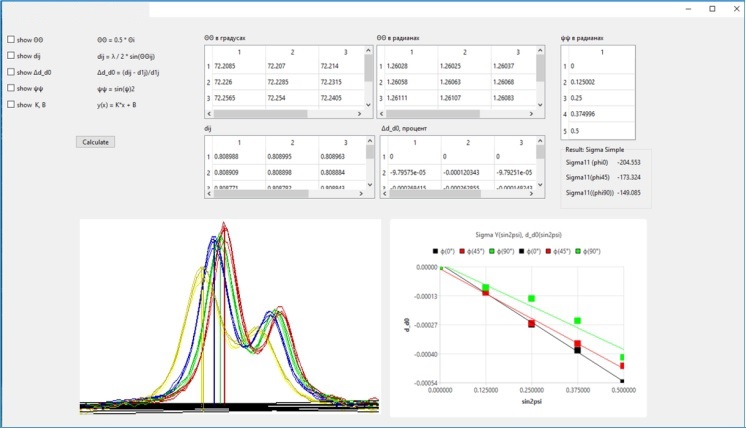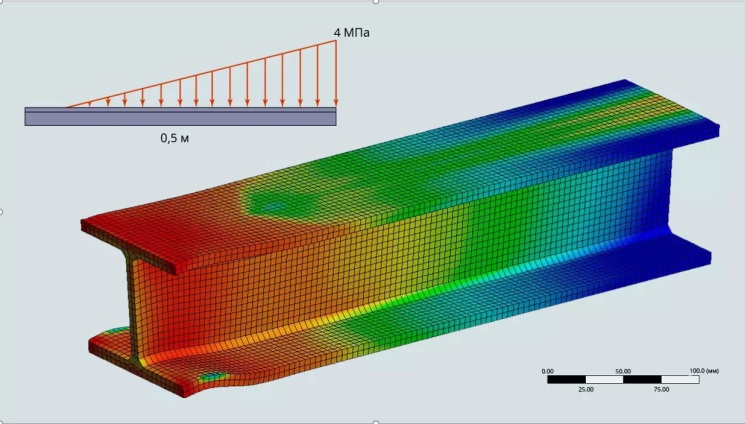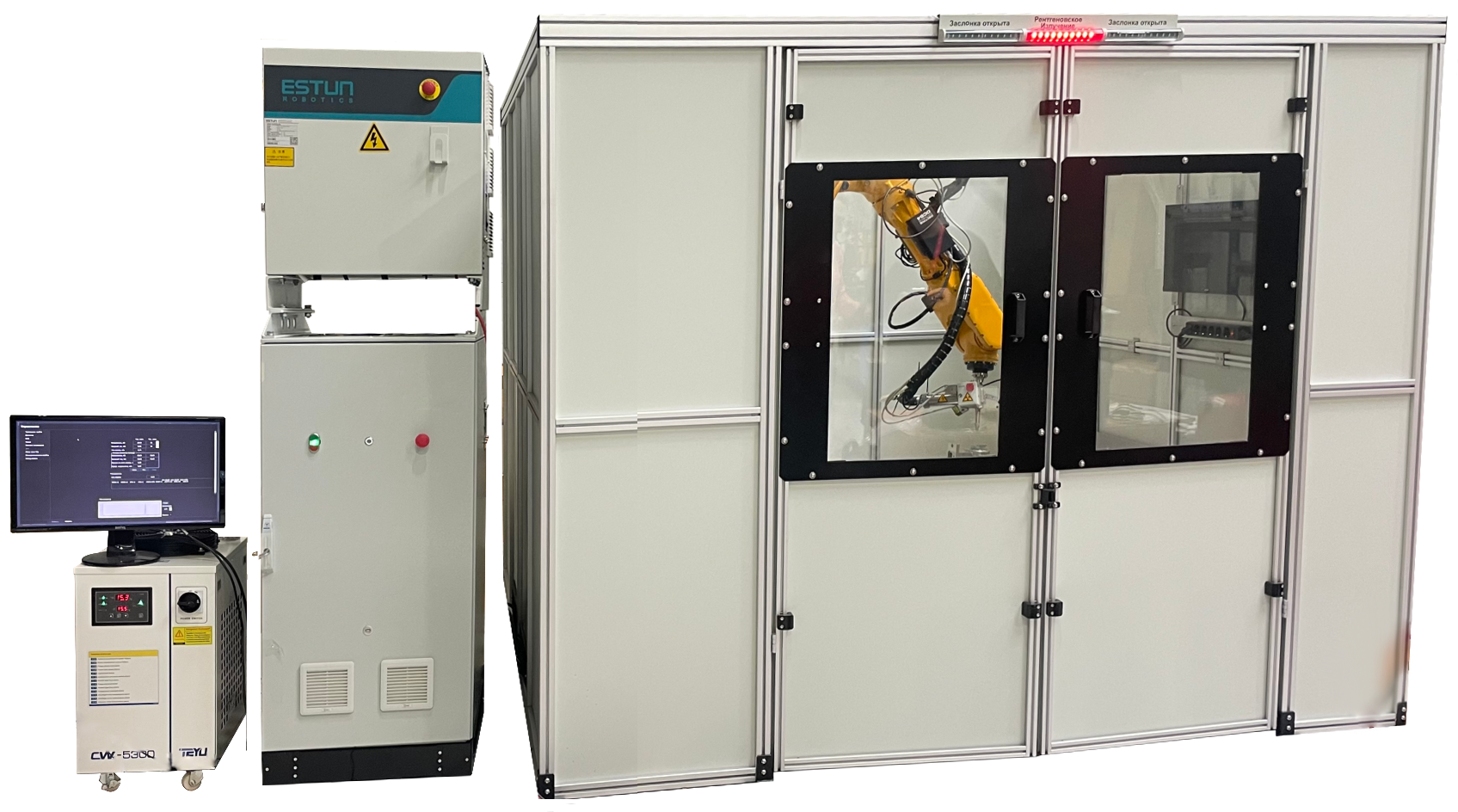
The most critical technical characteristic of any product is the presence of stresses within it, which determine its suitability for use under specific conditions. Residual stresses remain in any part after its processing. In addition, residual stresses can arise due to phase transformations, irradiation by high-energy particles, non-uniform heating and cooling, etc. In this regard, information about the presence of residual stresses is critically important for monitoring and influencing the reliability and service life of mechanical products. X-ray diffraction is an effective non-destructive method for diagnostics and analysis of residual stress distribution. The specialized X-ray diffractometer PELICAN enables residual stress analysis in various, including hard-to-reach, points on the surface of large-scale objects made of different metals and alloys.
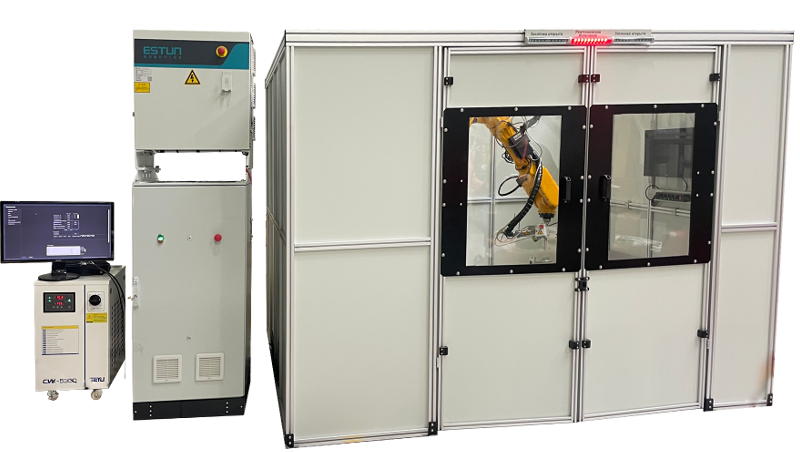
Specifications
|
Goniometer
|
|||
|
Radius, mm |
150 |
||
|
Rotation angle |
2θ |
Ω |
χ |
|
Angular range, degrees: |
120-160 |
±45 |
±45 |
|
Discretization, degrees: |
0.1 |
10 |
10 |
|
Positioning accuracy, degrees: |
0.05 |
0.2 |
0.2 |
|
Laser positioning system for goniometer alignment on sample surface |
|||
|
Accuracy, µm
|
20 |
||
|
Detection system |
Linear strip position-sensitive detector |
||
|
Number of channels |
640 |
||
|
Strip width, µm |
50 |
||
|
Single-strip count rate, cps |
>106 |
||
|
X-ray tube |
BSV-33 (compact type) |
||
|
Anode material |
Cu, Co, Cr, Mo (other materials available upon request) |
||
|
Power, W |
200-300 |
||
|
X-ray protective cabinet size (LхWхH) |
2.5 х 1.5 х 2.5 m |
||
|
Maximum sample mass, kg |
500 |
||
|
Power supply |
Three-phase, 0.4 kV, 50 Hz |
||
Software
• Stress tensor computation;
• Stress state analysis;
• Construction 1D and 2D stress distributions across the surface of the testing object;
• The operations of the locking, restriction, and warning systems for safe measurement execution;
• Precise alignment of the measurement unit to the target point on the sample surface using a laser positioning system;
• Automatic scanning using tilt or rotation methods based on a predefined algorithm;
• Saving measurement results in various formats for further processing and analysis.