BENCHTOP X-RAY DIFFRACTOMETER
COLIBRI

Request
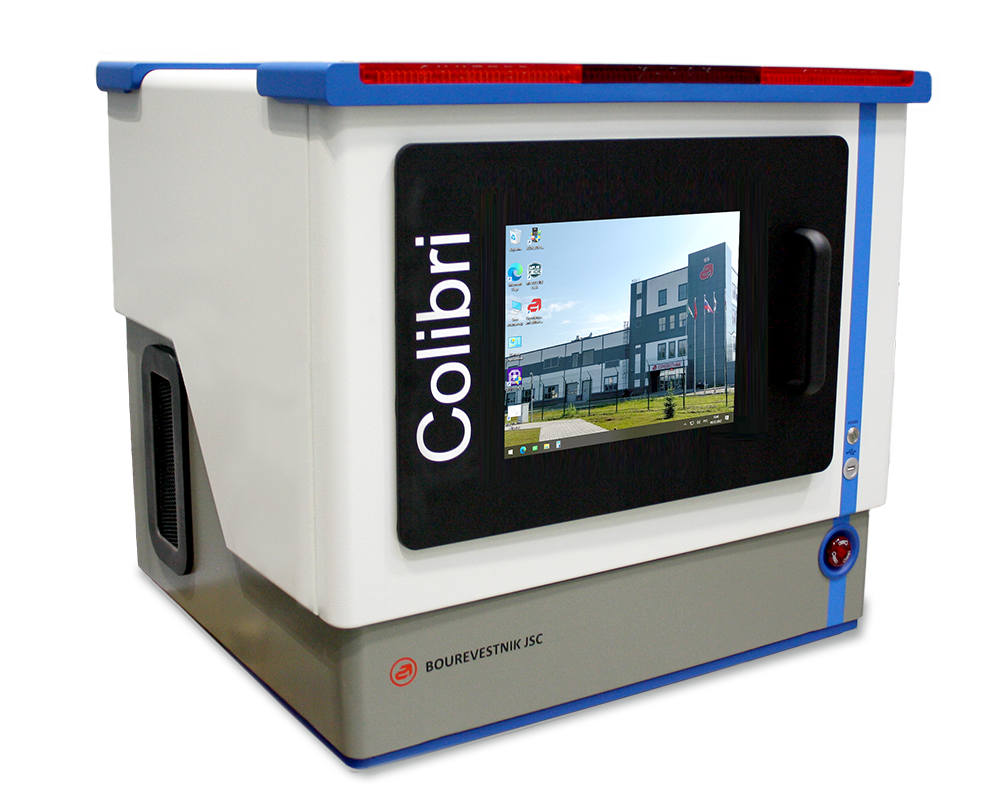
COLIBRI Benchtop X-ray Diffractometer

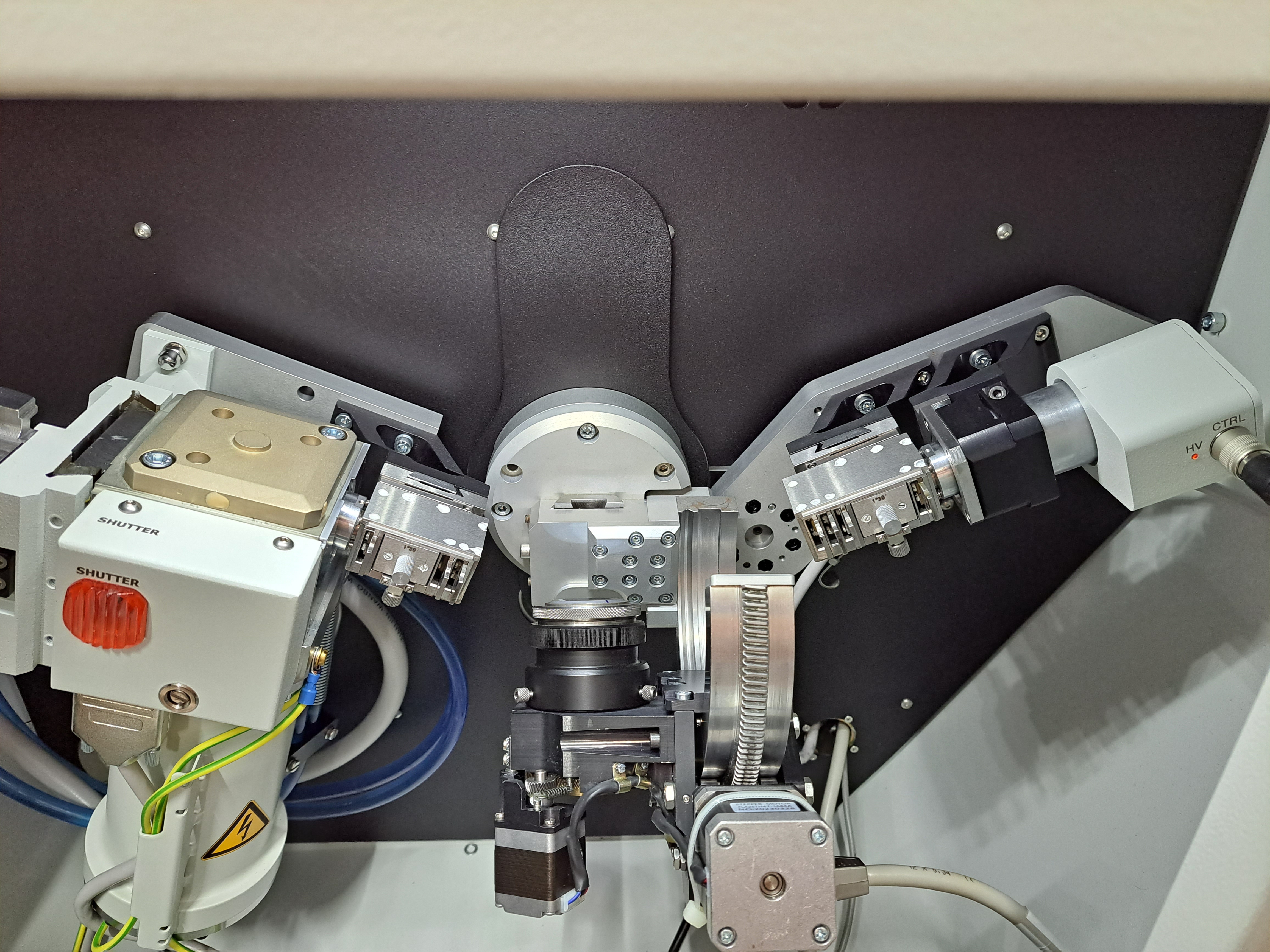
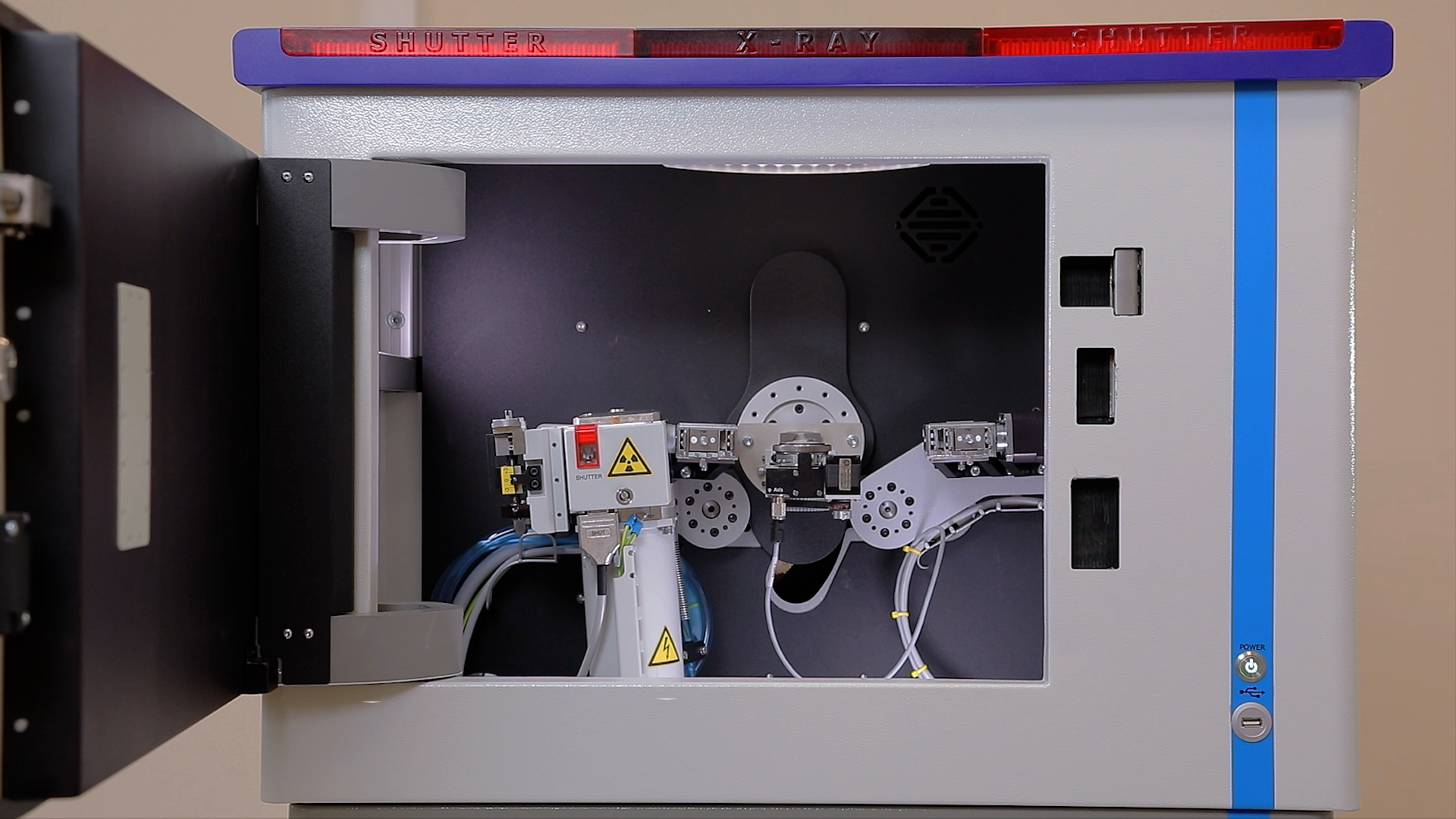
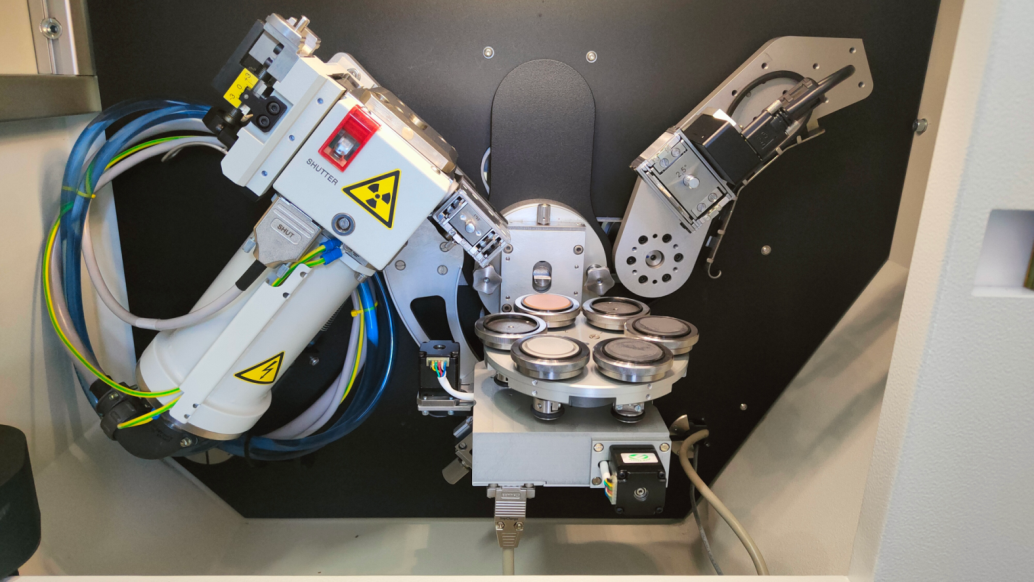
COLIBRI portable XRD system is a new advanced solution of Bourevestnik JSC for scientific, educational and industrial applications.


The instrument is a convenient and mobile tool for phase identification and structural analysis of various polycrystalline materials.
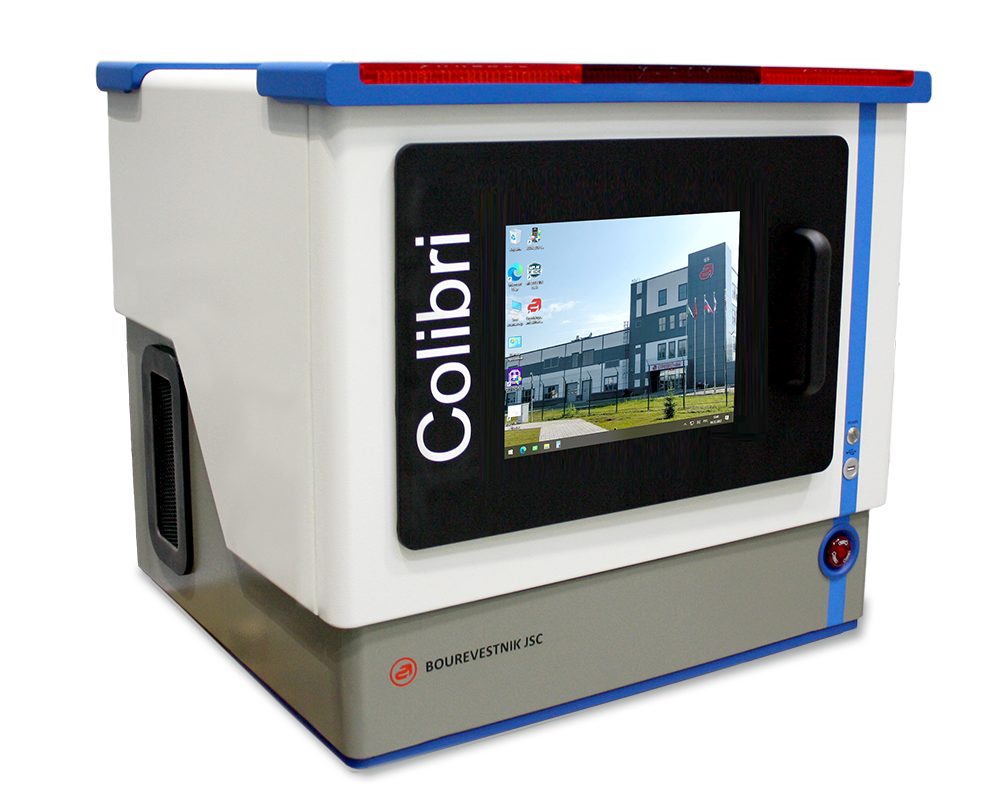


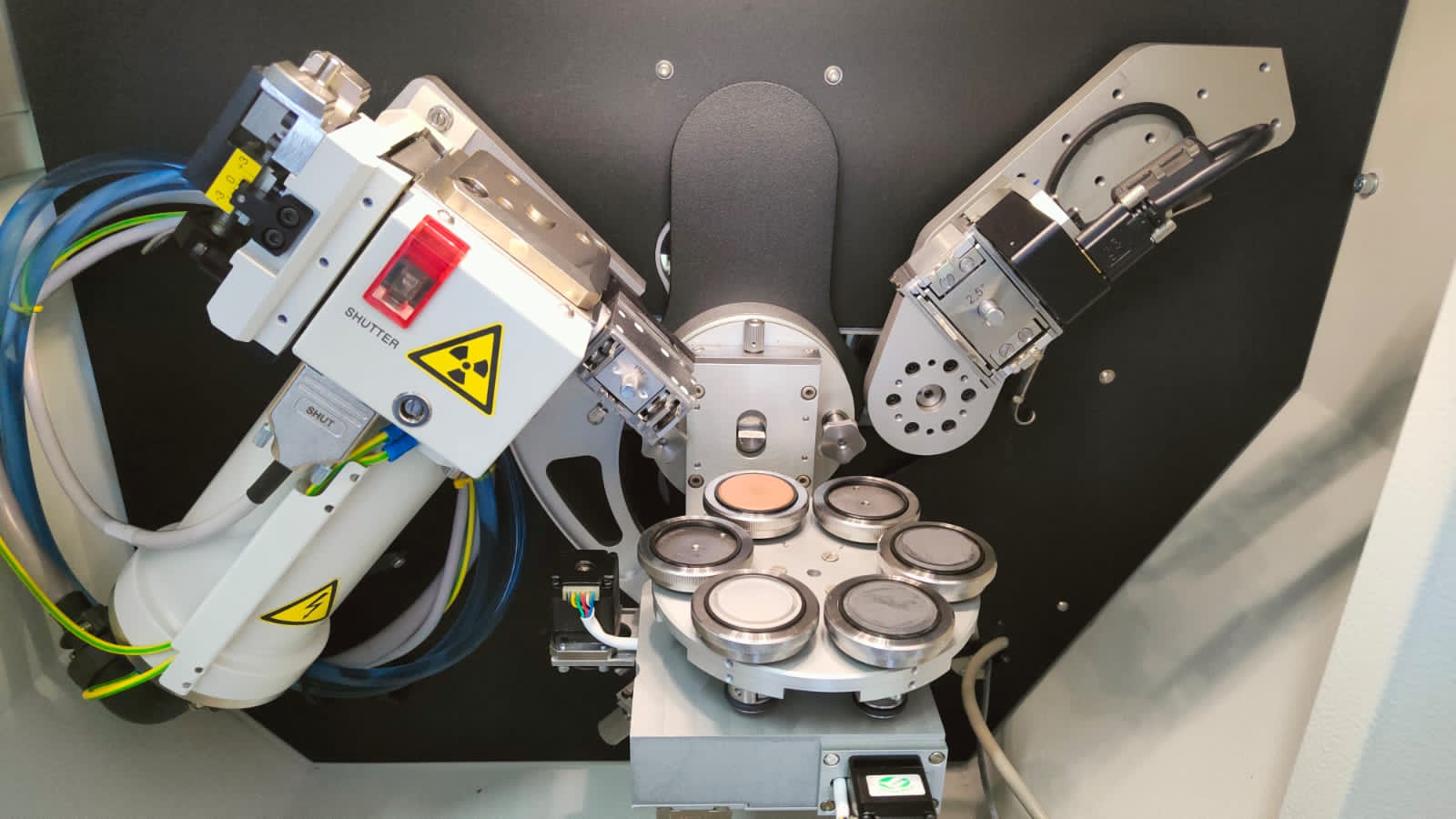
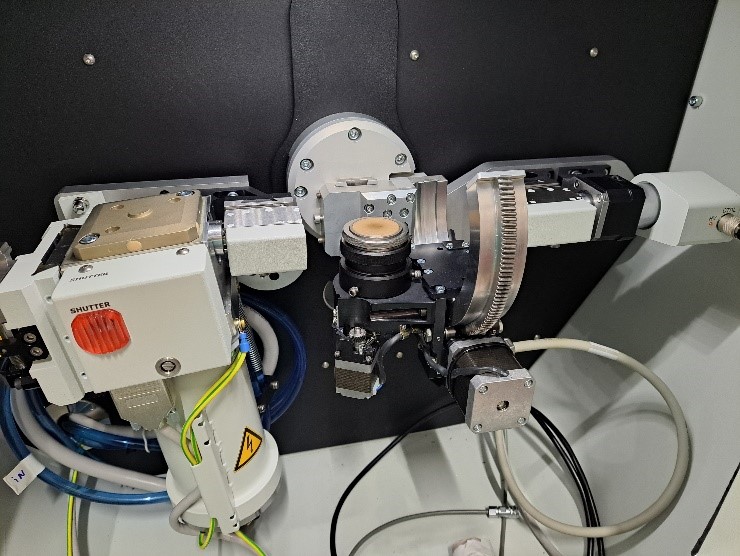
  • Vertical q-q goniometer of unique design with horizontal sample position
  • Available configuration with linear position-sensitive detector
  • Built-in cooling system
  • Pre-aligned and ready to use
Specifications

Goniometer      Vertical θ-θ
X-ray optical scheme      Bragg-Brentano
Goniometer radius, mm      150
Angular 2θ range, degree      from  -5 to +160 (basic configuration)
     from -3 to +155 (with PSD)
Slew speed, deg/min      1000
Scanning mode      discrete/continuous
Smallest selectable increment, degree      0.005
Scanning speed, deg/min      from 0,01 to 100
Angular accuracy of peak position determination, degree
     0,02
High voltage power supply, maximal output power, W
     600
Power requirements, V/Hz      220/50 single phase
Weight, kg     160

Options

Autosampler
Fast registration system (Mythen 2R 1D, 640 channels)
Universal monochromator on a diffracted beam
Biaxial x-φ attachment for the Colibri benchtop diffractometer
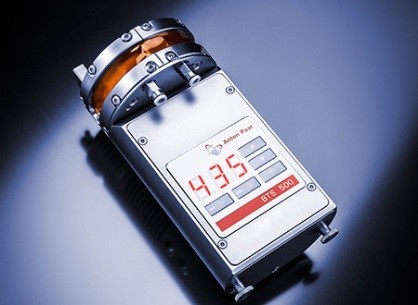
BTS 500 high-temperature chamber
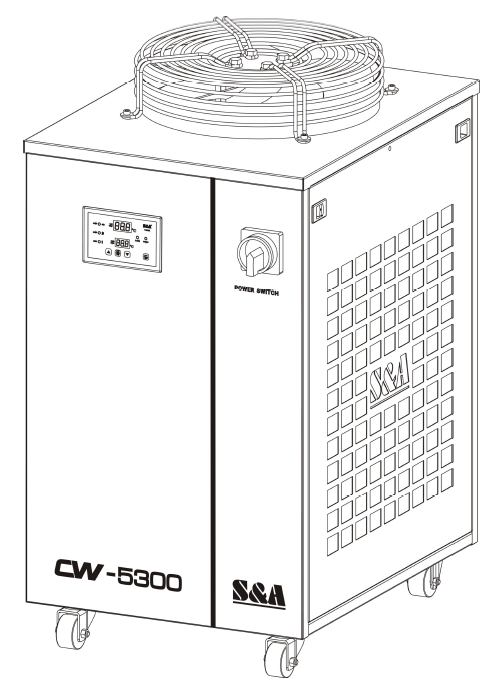
Cooling system (chiller)
Uninterruptible power supply kit
Autosampler

6-position sample changer for flow measurement of powder samples with in-plane sample rotation at 30 or 60 rpm.

Fast registration system (Mythen 2R 1D, 640 channels)

Linear strip position-sensitive detector Mythen 2R 1D (Dectris, Switzerland) with holder, slit device and primary beam trap.

The system provides 50 times faster apparatus performance than with a point detector (a few minutes instead of several hours of measurements to obtain good data statistics).

The system also includes a collimation system on the diffracted beam and a primary beam trap to provide measurements at near angles (from 3 deg.).

The fast registration system is particularly effective for studies of poorly oxidized, rapidly decomposing objects or small amounts of matter.


Mythen 2R 1D position-sensitive detector specifications:


Sensor: silicon diode array

Strip size: 50 µm ± 3 µm

Number of channels: 640

Active area: 8 x 32 mm2

Count rate per channel: > 1 x 10⁶

Energy range: 4 - 40 keV

Efficiency (for 8 keV): 96%

Cooling: air-cooled.


Universal monochromator on a diffracted beam

Mounted on the diffracted beam in front of the scintillation detector.


Can be set for two emissions: Cu and Co.


The set includes a crystal monochromator made of pyrolytic graphite (0002).


Provides monochromatization of the beam by suppressing the beta line and X-ray fluorescence background.

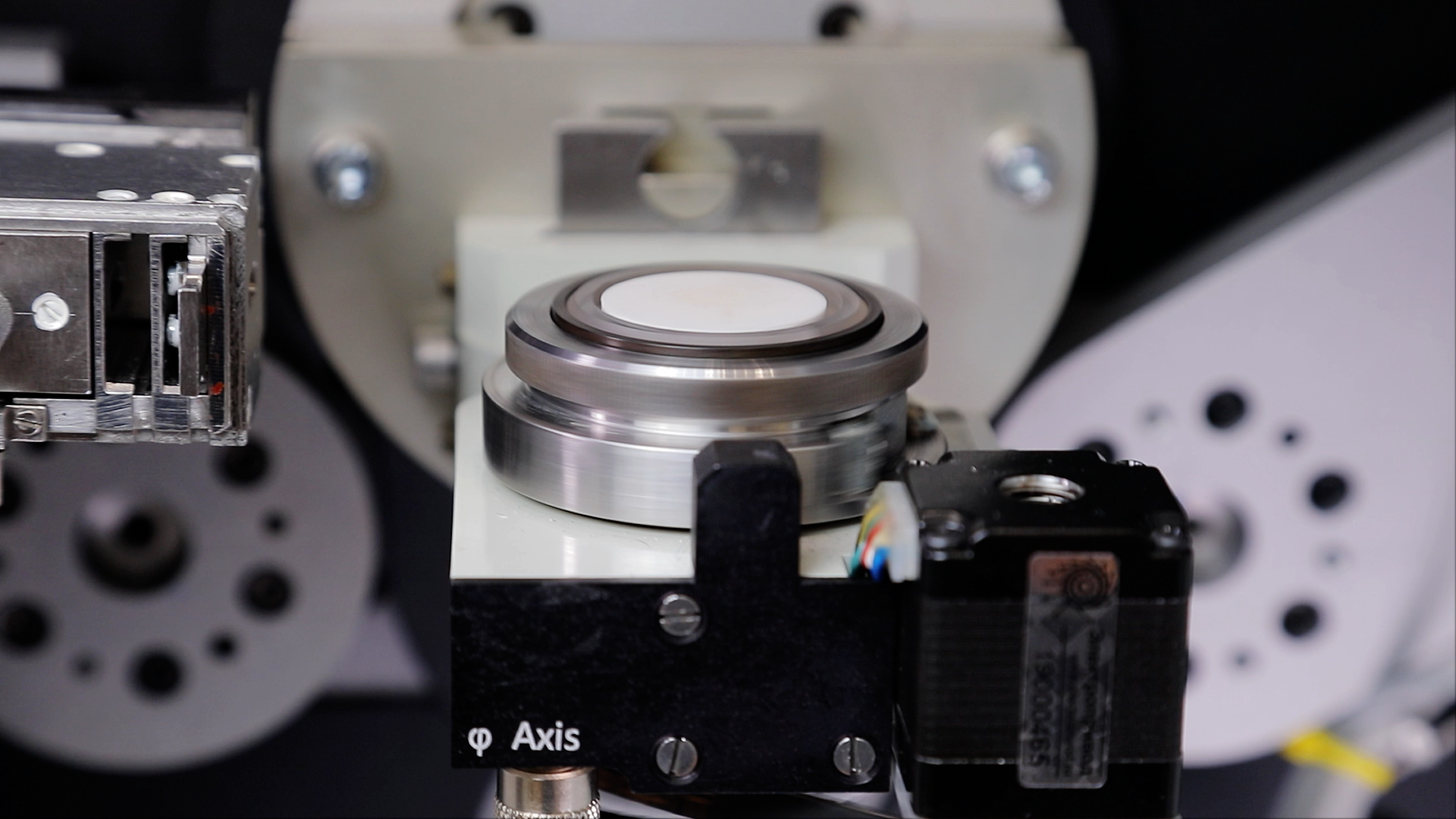
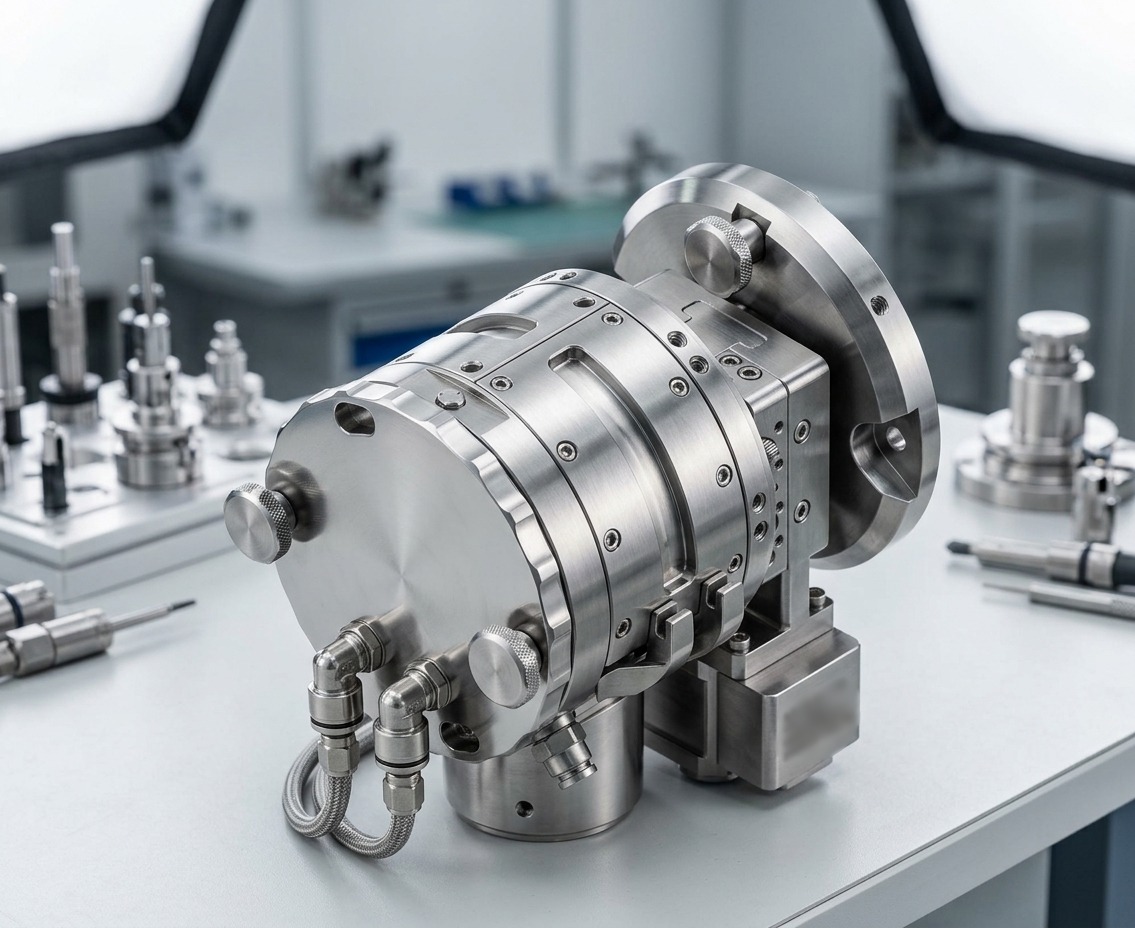
Biaxial x-φ attachment for the Colibri benchtop diffractometer

An attachment for texture and macro-stress analysis in polycrystalline samples and for rapid orientation determination of small single crystals up to 28 mm in diameter. It provides two independent program-controlled movements of the sample:


rotation around the φ axis - from 0 to 360°,

inclination along the x-axis - from -3 to +70°.


As a part of the diffractometer it allows to collect data by the x-φ tilt method, as well as to combine data collection by the x-φ tilt method at a fixed diffraction angle of 2θ with the θ-θ method at a fixed position of the actuators (x,φ) of the attachment.

This makes it possible to determine the orientation of a single crystal, display a specific Bragg reflex at the measured coordinates (x,φ) in the reflecting position, and perform θ-θ scanning of this reflex to determine the interplanar distance in this direction.

BTS 500 high-temperature chamber

The high-temperature chamber BTS 500 is used for in situ studies of solid-state phase transformations and chemical reactions as well as for analyzing thermal deformations of the crystal lattice at heating from 20 to 500 °C.

It is equipped with an adapter for mounting on a goniometer with manual height adjustment.

The heating control unit is integrated in the chamber.

Atmosphere: Vacuum (up to 1 mbar - optional), air, nitrogen, inert gases.

Sample holder material: nickel or aluminum oxide.

Sample size: 16 x 14 mm

Scanning angle range 2Θ: 0 - 164°

Measurement geometry: on reflection

Cooling system (chiller)

Autonomous cooling system of refrigerator type (air-water type).


Provides cooling of the X-ray tube with distilled water through a closed circuit, maintains the water temperature with an accuracy of 0.5 degrees Celsius.

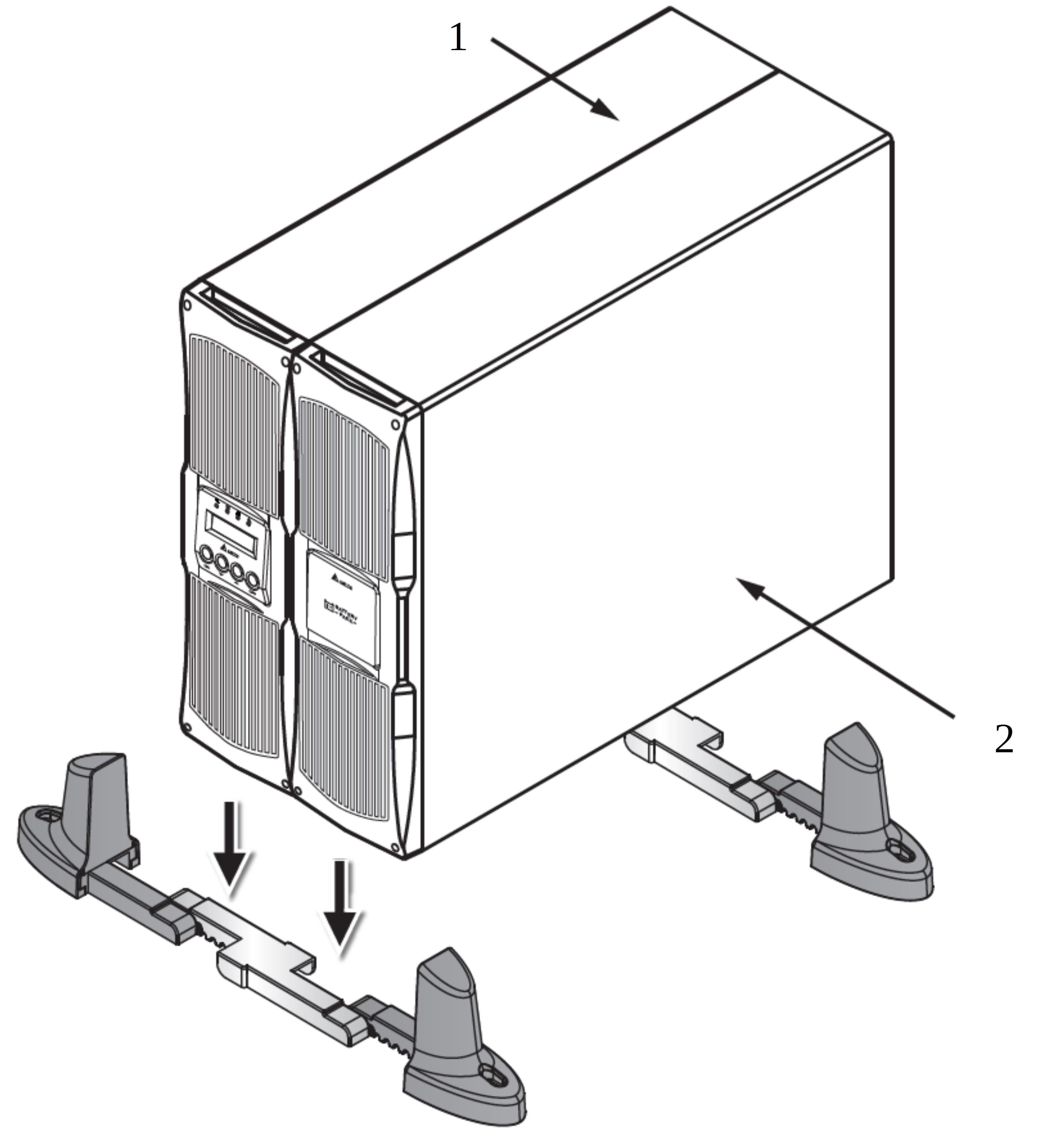
Uninterruptible power supply kit

Uninterruptible power supply kit is designed to ensure uninterrupted operation of the Kolibri diffractometer.


Includes UPS (Uninterruptible power supply unit Delta Electronics GES103R212035 with battery pack GES201B109700.) 


and a set of mounting parts to connect it to the electrical (supply) network on the customer's premises. 

Provides 1 hour of autonomous operation of the apparatus with a power consumption of 5 kW.

Software

“Crystallography and Diffraction Analysis” (CDA) analytical software suite
Software for X-ray phase analysis with built-in set of powder standards
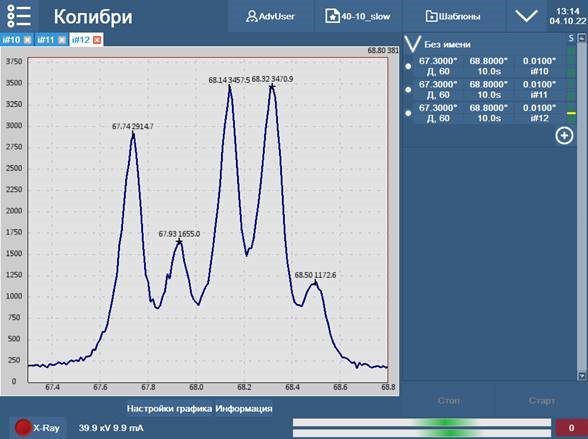
Software for control and data collection
Special
«MacroStress – Residual stress analysis» Software
«XRR simulation – Simulation of reflectivity curves » Software
Software for texture analysis
«High temperature-X-ray diffraction» Software Suite
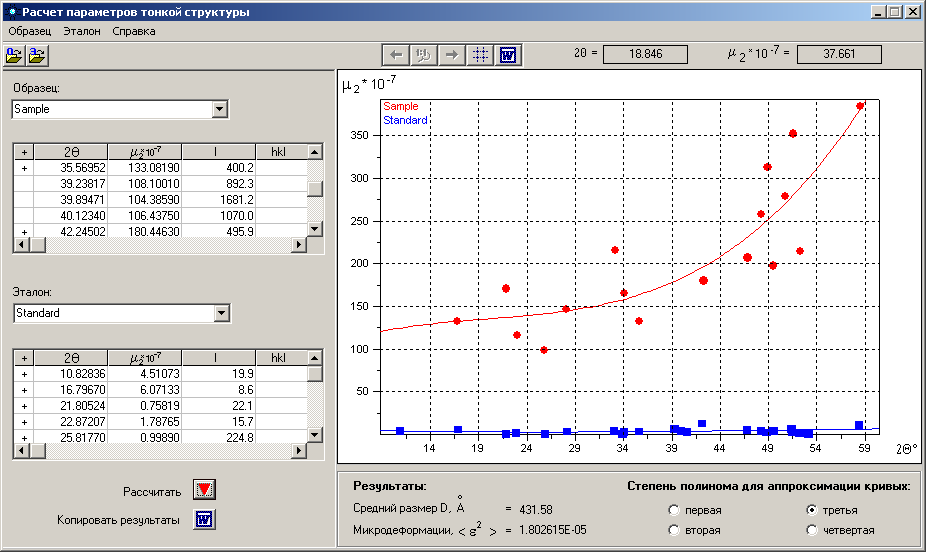
«Size&Strain – Calculation of average size of coherent domains and of microstrains» Software
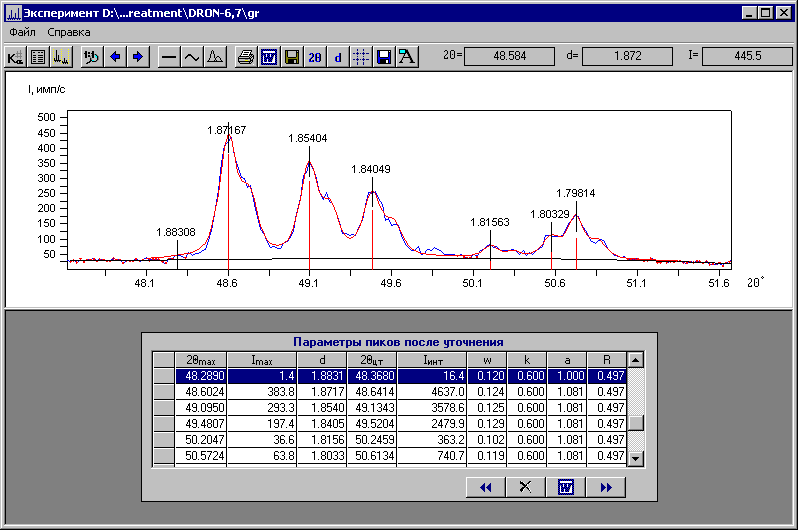
«DrWin – Data processing» Software
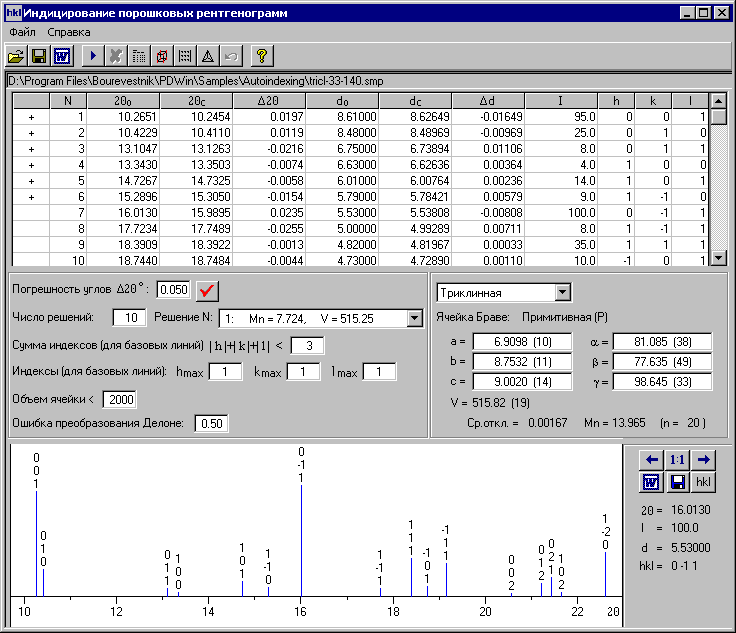
«Ind – Auto indexing» Software
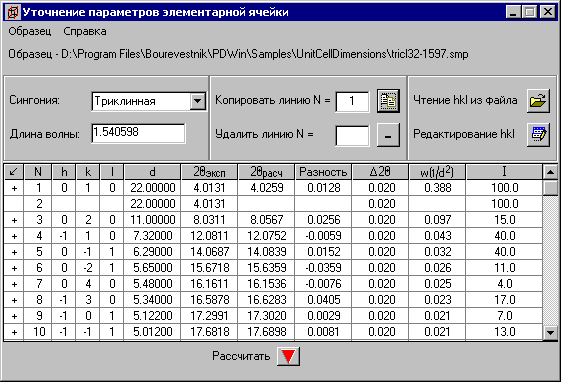
«Param – Refinement of unit cell parameters» Software
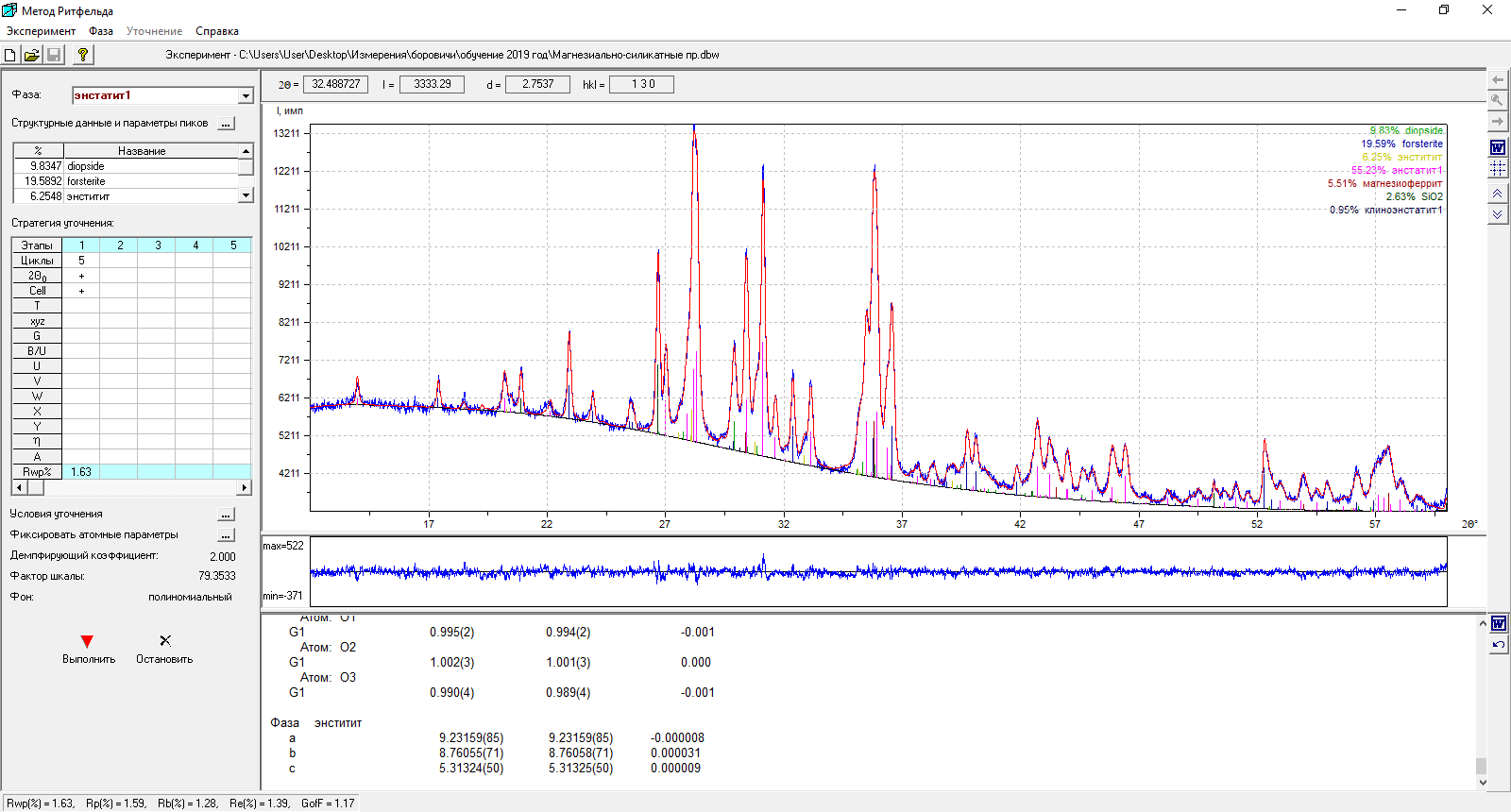
«Rietveld – Rietveld method» Software
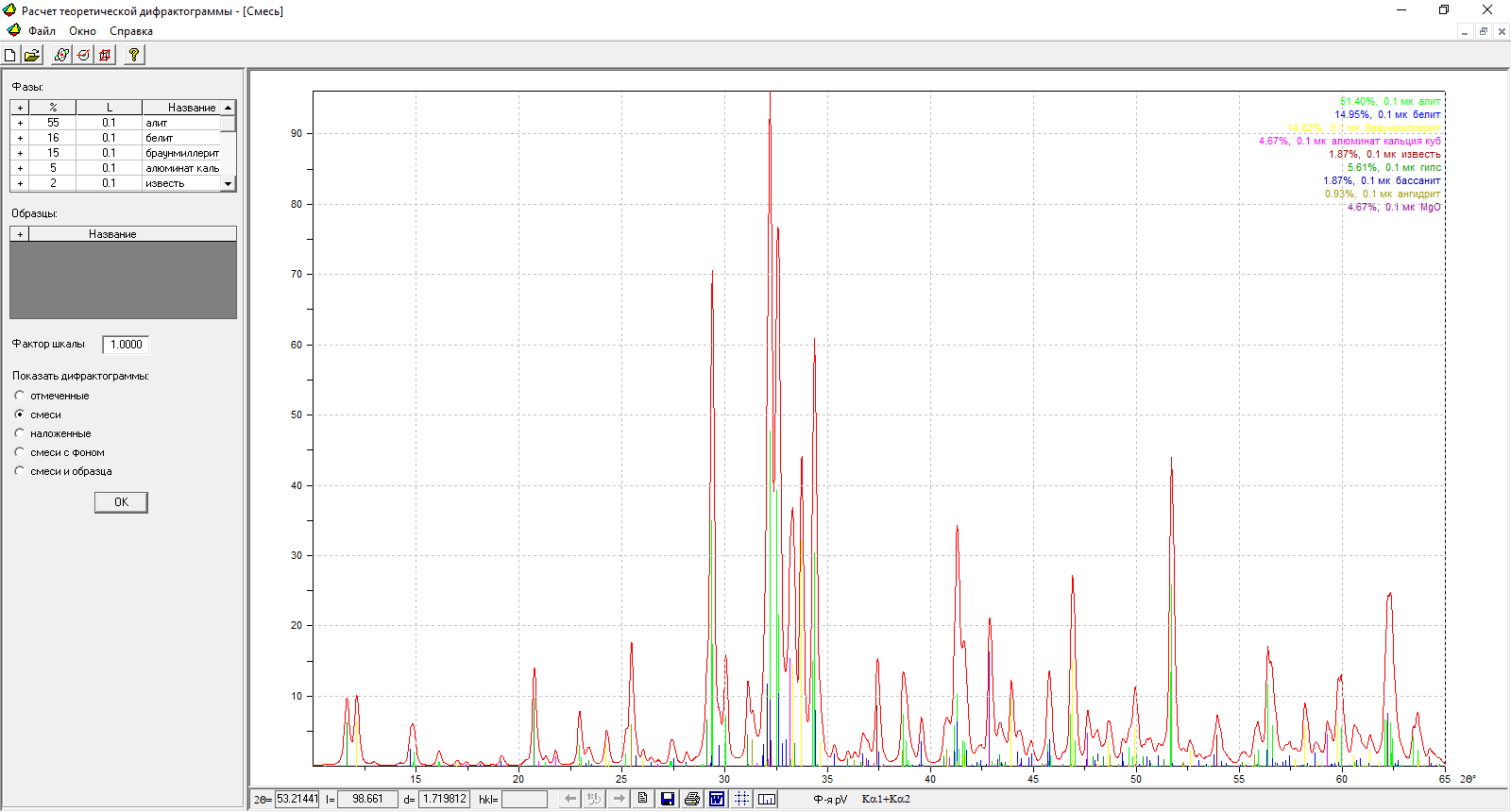
«TheorPattern - Calculation of theoretical diffraction pattern» Software
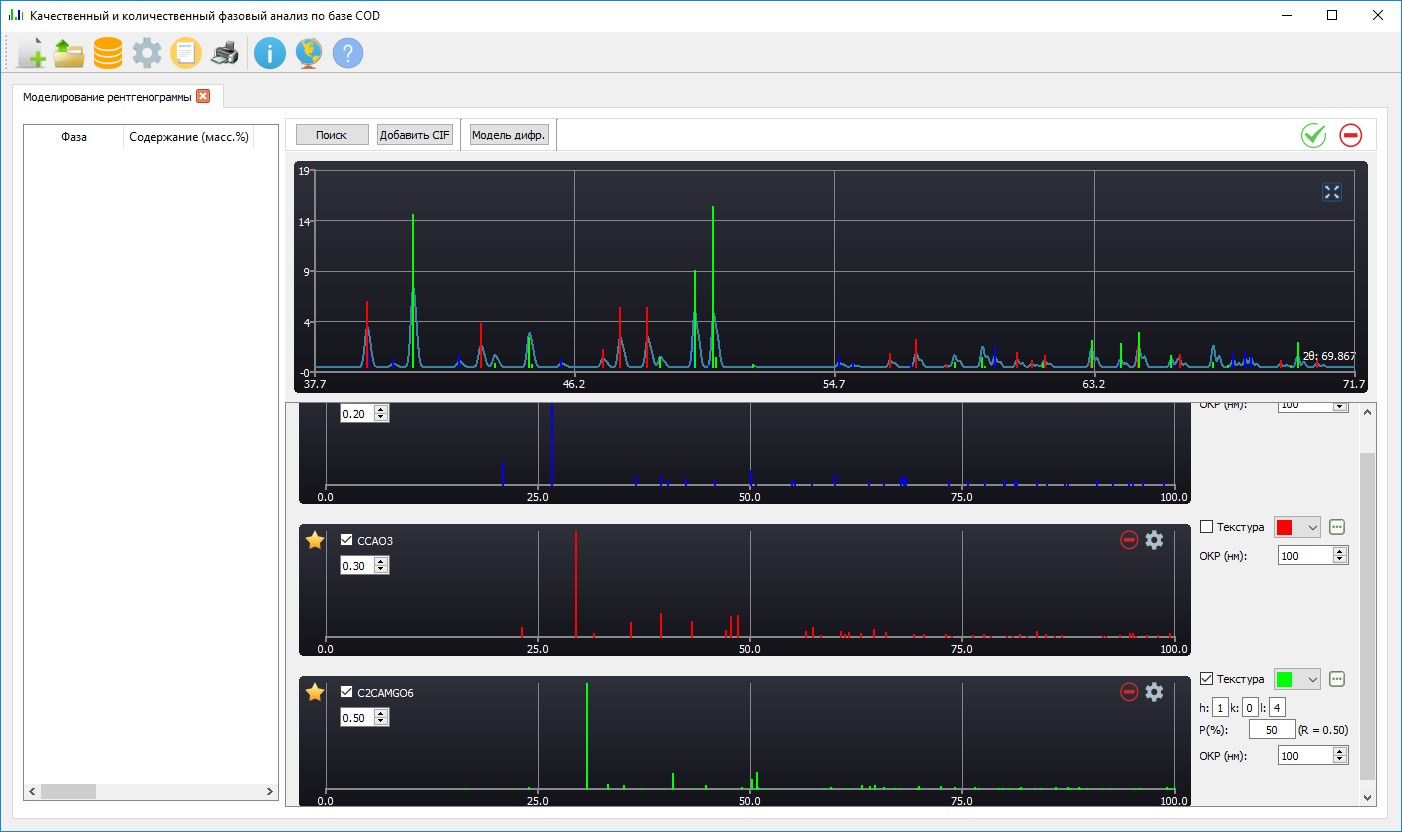
Qualitative and quantitative phase analysis by COD basis
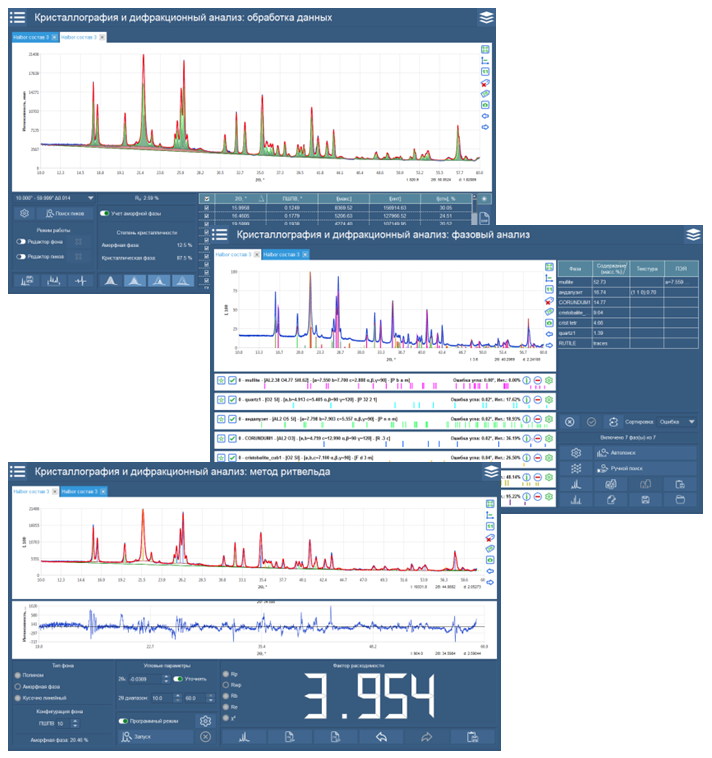
“Crystallography and Diffraction Analysis” (CDA) analytical software suite

Includes the following modules for processing and analysis of XRD powder patterns: 

  • raw data management and comparison;
  • processing of powder patterns (approximation of instrumental and physical backgrouond, peak search, doublet separation, intensity calculation);
  • evaluation of crystallinity degree (content of amorphous phase);
  • qualitative and quantitative phase analysis with COD database;
  • refinement of lattice constants;
  • calculation of theoretical powder pattern;
  • structure refinement and quantification of mixtures by Rietveld full-profile analysis;
  • evaluation of crystallite size and lattice microstrains.


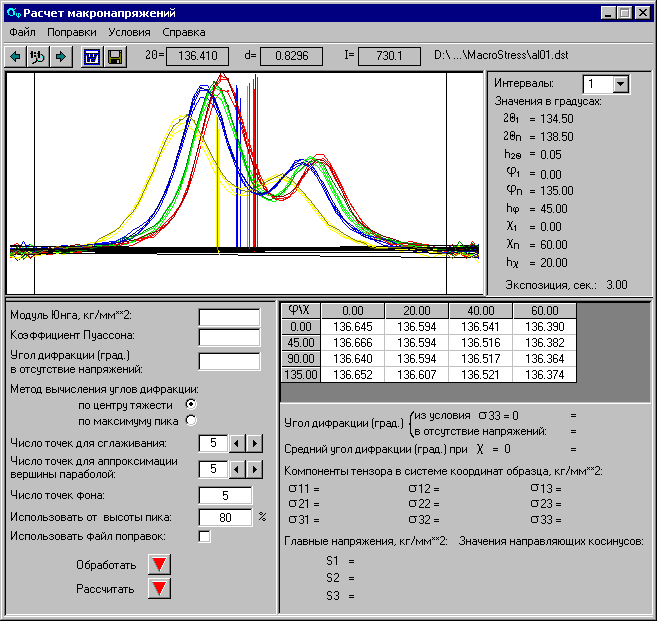
«MacroStress – Residual stress analysis» Software

  • Calculation of peak angular position from center of gravity or from peak apex;

  • Calculation of correction matrix;

  • Calculation of linear, planar and volumetric stresses;

  • Calculation of stress deviations.
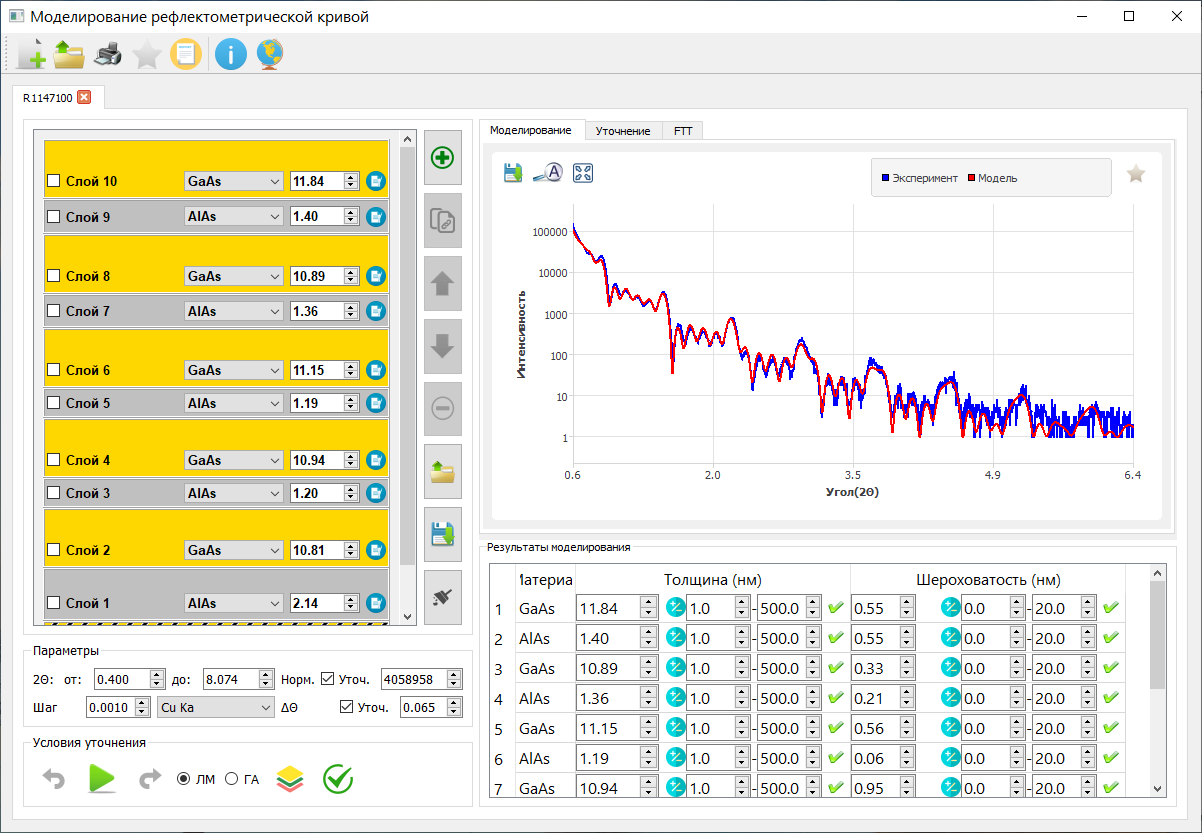
«XRR simulation – Simulation of reflectivity curves » Software
-      Calculation of XRR curve from the structural model; 

-      Built-in material base; 

-      Creation of multilayer model with different parameters of layers; 

-      Calculation of layer thickness directly from FFT;

-      Refinement of main parameters of layers and substrate (thickness, density, roughness); 

-      Autofitting of XRR curve with two different algorithms;

Comparison of measured and calculated curve by χ2 criteria.
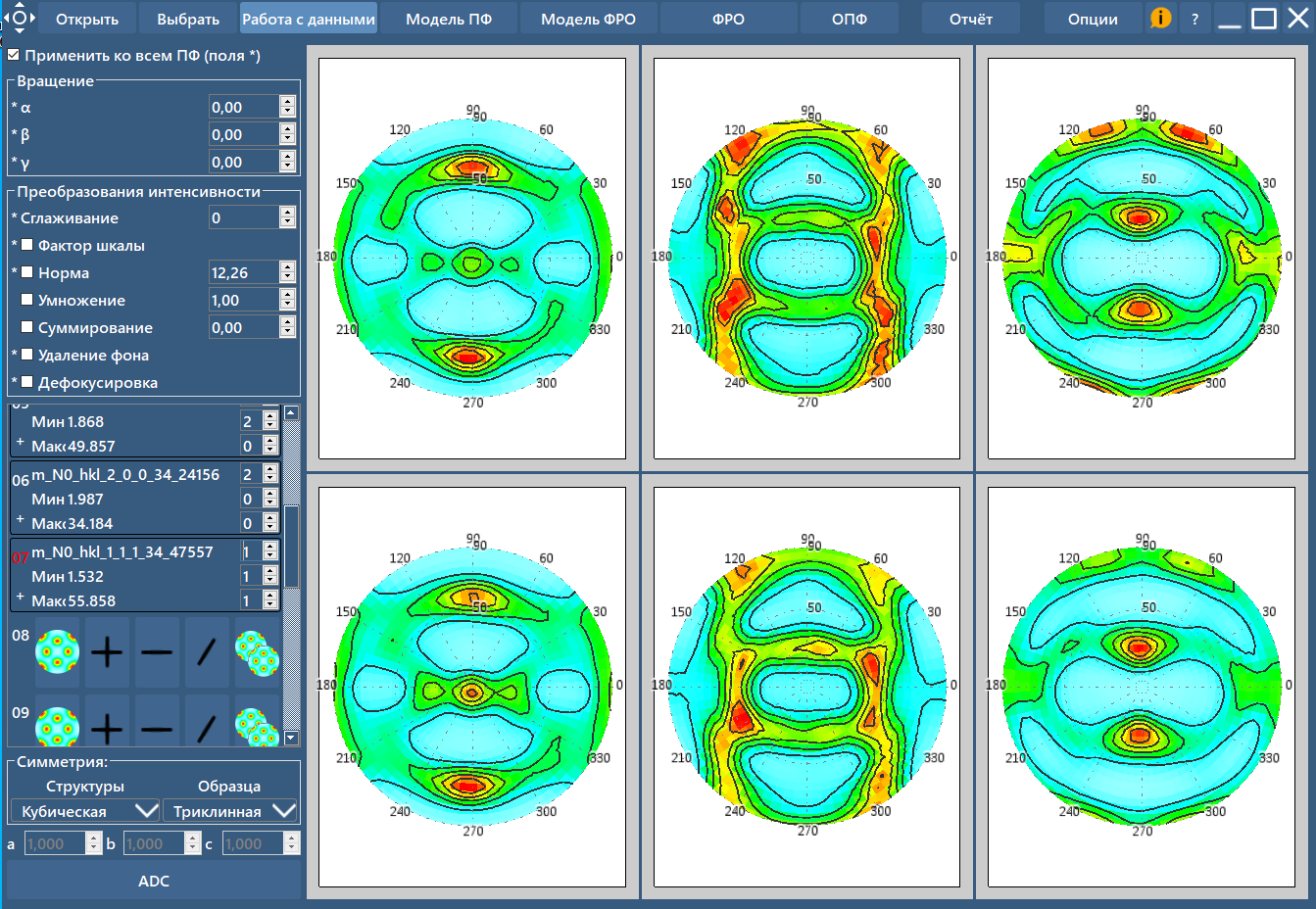
Software for texture analysis
The software includes:


  • Building of direct pole figures from experimental data;

  • Rotation of direct pole figures by symmetry;

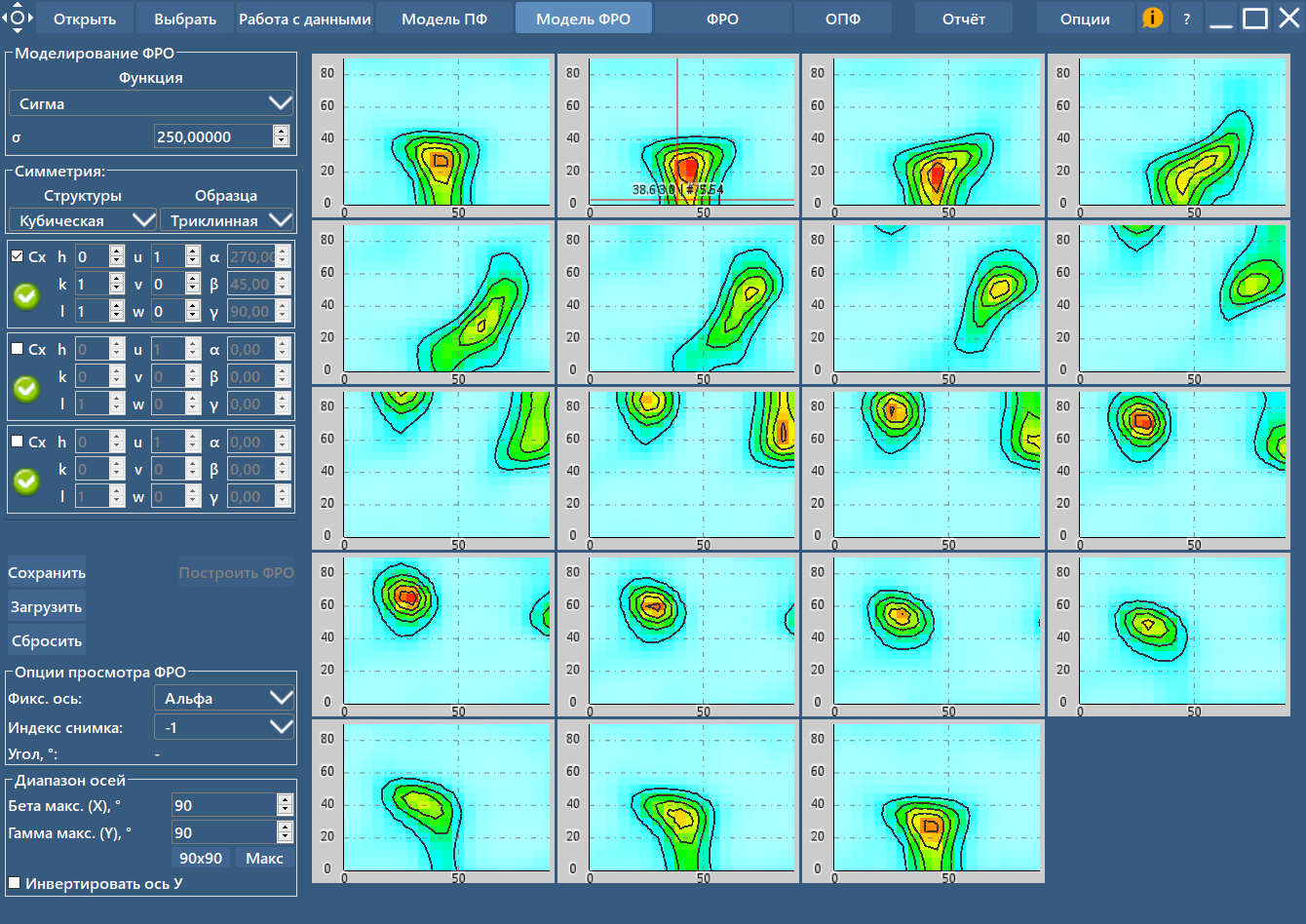
  • Modeling of direct pole figures;

  • Analysis of direct pole figures and orientation identification;

  • Calculation of orientation distribution function (ODF) by ADC method;

  • Restoration of complete pole figures from calculated ODF;

  • Modeling of orientation distribution function;

  • Calculation of inverse pole figures;

  • Calculation of texture index and degree of texture.


The software functionalities for the building, modeling and analysis of direct and inverse pole figures, as well as for the calculation of the orientation distribution function by the ADC method and the restoration of the pole figures are illustrated. The results of a comparative study of the complete pole figures built from experimental diffraction data and calculated from the orientation distribution function, which has been computed from a series of incomplete irregular pole figures, are presented.

Software for X-ray phase analysis with built-in set of powder standards

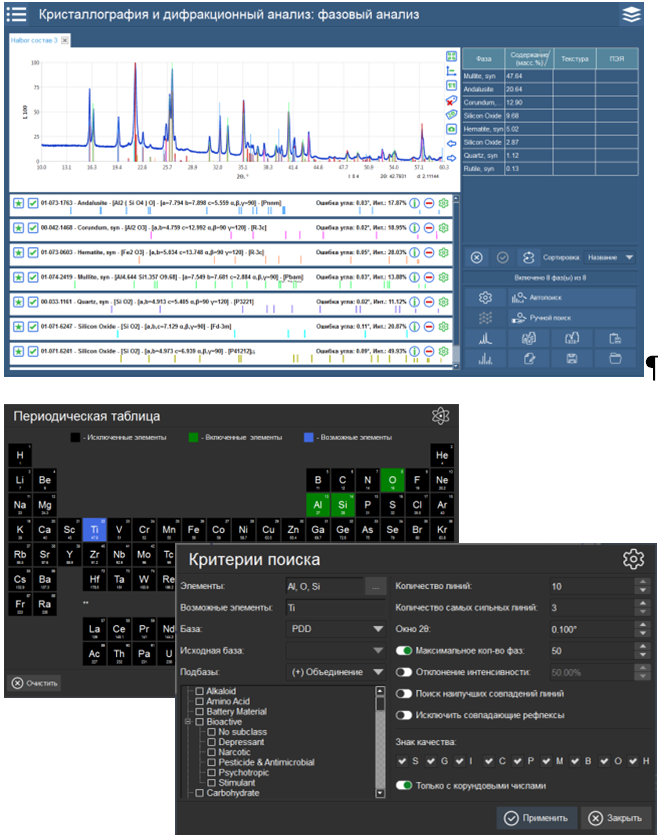
The software is designed for qualitative and semi-quantitative phase analysis of experimental X-ray diffraction patterns by search-match procedure using the built-in set of powder standards

It provides:

  • Creation of user subbases for convenient search;

  • Adding of user standards to subbases;

  • Qualitative phase analysis using various criteria and sub-bases;

  • Analysis of matched lines by their position and intensity;

  • Selection and fixing the best solutions;

  • Calculation of component concentrations by Reference Intensity Ratio;

  • Access to the set, including search by selected criteria;

  • Analysis and comparison of the results for several diffraction patterns;

  • Creation of a template for the rapid analysis of similar diffraction patterns.


«High temperature-X-ray diffraction» Software Suite
This software provides:
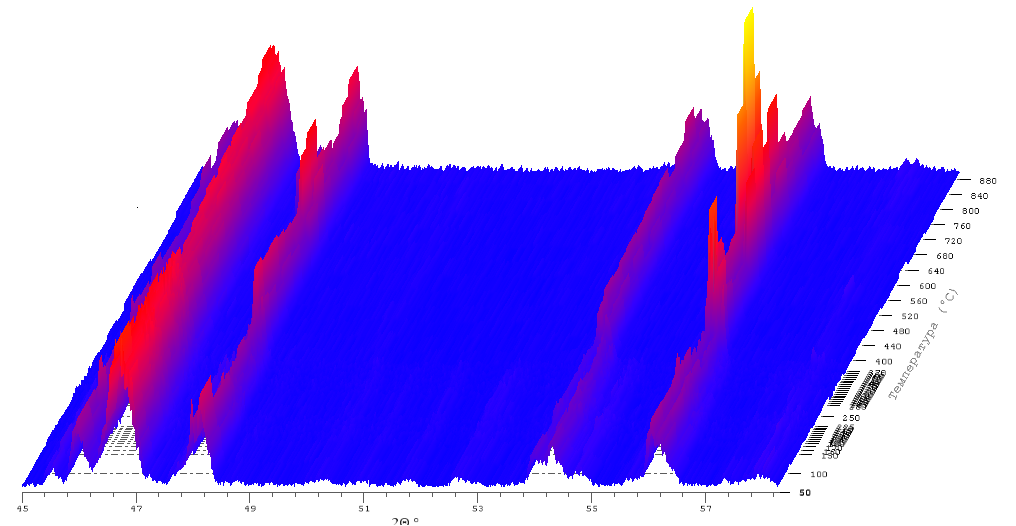
  • 3D visualization of measured X-ray diffraction data in the coordinates “diffraction angle - intensity - temperature”;
  • calibration of the entire experimental data set according to internal and external standard;
  • refinement of unit cell parameters over the entire calibrated data set;
  • determination of phase transition points;
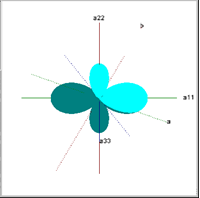
  • determination of thermal expansion coefficients in different directions and thermal strain tensors;


It is supplied together with chambers for studies under special conditions.
«Size&Strain – Calculation of average size of coherent domains and of microstrains» Software


  • Plotting of moments dependence vs diffraction angle;

  • Calculation of size of coherent domains and microstrains by the method of second central moments;

  • Calculation of instrumental line broadening;

  • Application of absorption correction to the samples with another composition.


«DrWin – Data processing» Software

  • Processing of diffraction pattern or selected area;

  • Background approximation (by polynomial or user curve);

  • Separation of Kα-doublets;

  • Determination of angular positions;

  • Approximation of reflection profiles by pseudo-Voigt function (for the entire array or independently for each peak);

  • Calculation of peak heights and their integral intensities;

  • Calculation of FWHM of reflections;

  • Evaluation of degree of crystallinity (content of amorphous phase)
«Ind – Auto indexing» Software

  • Determination of Bravais lattice type;

  • Selection of unit cell;

  • Computation of Miller indices for selected lines;

  • Bar graph of input diffraction pattern.
«Param – Refinement of unit cell parameters» Software
  • Calculation of unit cell parameters for any of the six crystal systems with known reflection indexes;
  • Selection of peaks for calculation;
  • Calculation of unit cell parameters for different components in multi-component systems.
«Rietveld – Rietveld method» Software

  • Loading of CIF files from ICSD and COD structural databases with their editing by user;

  • Refinement of crystal structures from X-ray powder diffraction data of single crystalline phases and mixtures;

  • Quantificaion of mixture with simultaneous refinement of selected structural parameters;

  • Calculation of polynomial and physical background;

  • Independent refinement of U, V, W, X, Y profile for different phases and for different groups of reflections;

  • Refinement of unit cell parameters, atomic and thermal parameters, occupations of atomic positions for each phase;

  • Accounting for preferred orientation of crystallites individually for selected components;

  • Selection of refinement strategy;

  • Control of refinement conditions;

  • Creation of templates for structure refinement or quantification of mixture;

  • Calculation of five R-factors.

«TheorPattern - Calculation of theoretical diffraction pattern» Software

  • Loading of CIF files from ICSD and COD structural databases with their editing by user;
  • Simulation of diffraction patterns of multicomponent mixtures from structural data;

  • Account for instrumental factor;

  • Account for texture and crystalline size for each component;

  • Comparison of simulated and measured diffraction patterns;

  • Integrated package of geometrical crystallography.

Qualitative and quantitative phase analysis by COD basis
  • search and selection of structural data according to the set criteria;
  • downloading of structural data files in *.cif format with possibility to view and edit parameters used in calculation;
  • calculation of powder X-ray radiogram according to the downloaded data in the specified angular range and for the specified wavelength, including duplets and singletons;
  • calculation of X-ray diagrams of mixtures with specified concentrations of components and with specified crystallite size for each component, as well as taking into account the preferential orientation of particles in a given crystallographic direction;
  • built-in database of calculated X-ray diagrams of standards (more than 20 thousand);
  • organization of user subbases of calculated X-ray diagrams, both from standards of the main database and directly from the COD database;
  • selection of standards from the built-in database for a specified set of chemical elements;
  • graphical visualization of measured data, comparison of experimental and calculated spectra;
  • function of intensity scaling and background subtraction for experimental data in comparison with the calculated X-ray diagram; 
  • qualitative phase analysis of samples;
  • setting the required search criteria (limitation by elemental or mineral composition, limitation by angular position error and/or by the number of coincident lines, auto-selection of the best solution, fixing of found solutions with the possibility of their exclusion from further search in case of a large number of mixture components);
  • quantitative phase analysis, including the presence of texture in one or more components;
  • refinement of unit cell parameters and texture coefficients individually for each component in the analyzed mixture (if necessary) to obtain the best result;
  • setting the range of refinement of unit cell parameters;
  • one-button report generation;
  • bilingual interface, built-in bilingual help system and tooltips.

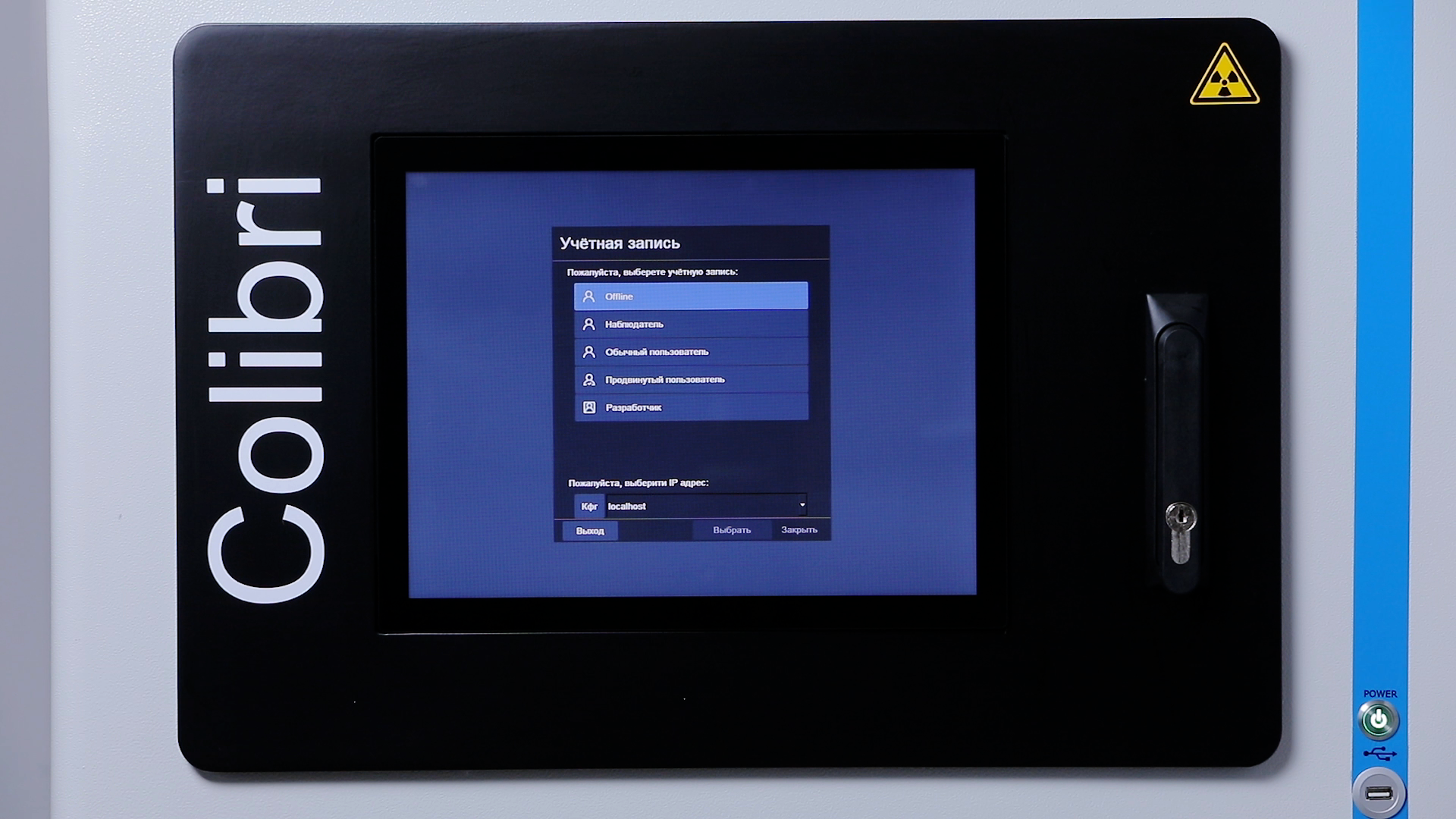
Software for control and data collection
  • differentiating access to multiple functions for different users
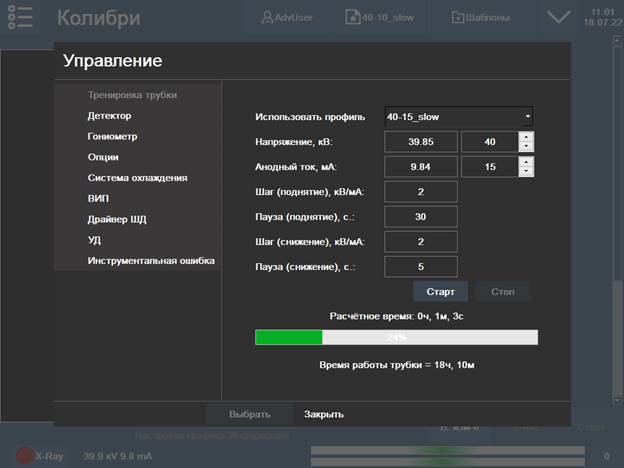
  • setting high voltage mode and one-touch experiment start
  • touch screen with “touch” gestures
  • remote connection and experiment control

Video materials